Contact
How are MIL-STD packaging materials certified and tested?

Not part of a category   Not part of a category  

How are MIL-STD packaging materials certified and tested?

MIL-STD certification requires rigorous environmental testing. Discover which standards apply, who certifies, and what vendors need to offer.
Which suppliers are certified for MIL-STD packaging in the Netherlands?

Not part of a category   Not part of a category  

Which suppliers are certified for MIL-STD packaging in the Netherlands?

Only a handful of Dutch suppliers are truly skilled in MIL-STD packaging — do you know how to recognize them?

What NATO packaging requirements apply to the transport of military equipment?

Not part of a category   Not part of a category  

What NATO packaging requirements apply to the transport of military equipment?

STANAG, MIL-STD, Level A through C: discover which NATO packaging requirements apply to military equipment and drones.
What data do you need for an accurate TCO calculation?

Not part of a category   Total Cost of Ownership  

What data do you need for an accurate TCO calculation?

TCO calculation for packaging: discover which hidden cost factors you're missing and how to make them measurable.
TCO in logistics: the complete guide for supply chain managers

Not part of a category   Total Cost of Ownership  

TCO in logistics: the complete guide for supply chain managers

Hidden logistics costs are undermining your TCO — discover how packaging becomes your most powerful cost lever.
How does TCO logistics help reduce waste in the supply chain?

Not part of a category   Total Cost of Ownership  

How does TCO logistics help reduce waste in the supply chain?

TCO logistics reveals hidden costs in your supply chain — and shows where waste truly originates.
What is the difference between military packaging for air and ground transport?

Not part of a category   Not part of a category  

What is the difference between military packaging for air and ground transport?

Air transport demands lightweight precision, ground transport demands rugged shock resistance — discover which military packaging protects your mission.
How do NATO packaging requirements for hazardous materials differ from those for standard equipment?

Not part of a category   Not part of a category  

How do NATO packaging requirements for hazardous materials differ from those for standard equipment?

NATO packaging requirements for hazardous materials go beyond standard military equipment — discover the crucial differences.
How does military packaging differ for the army versus the navy?

Not part of a category   Not part of a category  

How does military packaging differ for the army versus the navy?

Army or navy? Discover how environmental risks, MIL-STD standards, and material selection determine military packaging requirements for each branch of the armed forces.

What are the benefits of TCO logistics optimization for large shipping volumes?

Not part of a category   Total Cost of Ownership  

What are the benefits of TCO logistics optimization for large shipping volumes?

Reduce logistics costs at high shipping volumes with TCO optimization — looking beyond the purchase price alone pays off.
How does logistics TCO differ from procurement TCO?

Not part of a category   Total Cost of Ownership  

How does logistics TCO differ from procurement TCO?

TCO in logistics and procurement measures other costs — discover which hidden items determine your profitability.
What steps do you go through in a TCO analysis for packaging?

Not part of a category   Total Cost of Ownership  

What steps do you go through in a TCO analysis for packaging?

Discover in 5 steps how a TCO analysis uncovers hidden packaging costs and enables smarter decisions.

Total cost of ownership in supply chain: what every logistics manager needs to know

Not part of a category   Total Cost of Ownership  

Total cost of ownership in supply chain: what every logistics manager needs to know

Hidden packaging costs are eating into your margin — discover how TCO thinking can transform your supply chain.
Total cost of ownership supply chain: how to optimize your packaging costs

Not part of a category   Total Cost of Ownership  

Total cost of ownership supply chain: how to optimize your packaging costs

Packaging seems like an afterthought — until you see the hidden costs in your supply chain.

What are the minimum data requirements for a reliable TCO analysis?

Not part of a category   Total Cost of Ownership  

What are the minimum data requirements for a reliable TCO analysis?

Without these 4 data groups, your TCO analysis is nothing more than a guess — discover what truly matters.
How do you calculate a reliable TCO for transport cases?

Not part of a category   Total Cost of Ownership  

How do you calculate a reliable TCO for transport cases?

The purchase price is just the tip of the iceberg — discover how a complete TCO calculation reveals your true costs.
TCO analysis for industrial packaging: here’s how it works

Not part of a category   Total Cost of Ownership  

TCO analysis for industrial packaging: here’s how it works

The purchase price is just the tip of the iceberg — a TCO analysis reveals what packaging truly costs.
TCO calculation for packaging: how to calculate the true costs

Not part of a category   Total Cost of Ownership  

TCO calculation for packaging: how to calculate the true costs

Hidden packaging costs accumulate outside your procurement budget — a TCO calculation reveals the true price.

Which variables have the greatest impact on a TCO calculation?

Not part of a category   Total Cost of Ownership  

Which variables have the greatest impact on a TCO calculation?

Purchase price is just the tip of the iceberg — discover which TCO variables truly determine your packaging costs.
How does storage management affect the TCO of packaging logistics?

Not part of a category   Total Cost of Ownership  

How does storage management affect the TCO of packaging logistics?

Inefficient storage management invisibly drives up your logistics TCO — discover how to structurally reduce packaging costs.
How do you factor transport frequency into a TCO calculation?

Not part of a category  

How do you factor transport frequency into a TCO calculation?

Calculate the actual packaging cost per trip — transport frequency determines whether reusable packaging is truly the cheaper option.
Which logistics costs are most often overlooked in a TCO calculation?

Not part of a category  

Which logistics costs are most often overlooked in a TCO calculation?

Hidden logistics costs in your TCO calculation? Discover the biggest blind spots and save structurally.

TCO calculation for custom packaging: a step-by-step guide for procurement teams

Not part of a category  

TCO calculation for custom packaging: a step-by-step guide for procurement teams

Cheaper standard packaging? A TCO calculation tells a very different story about your actual costs.
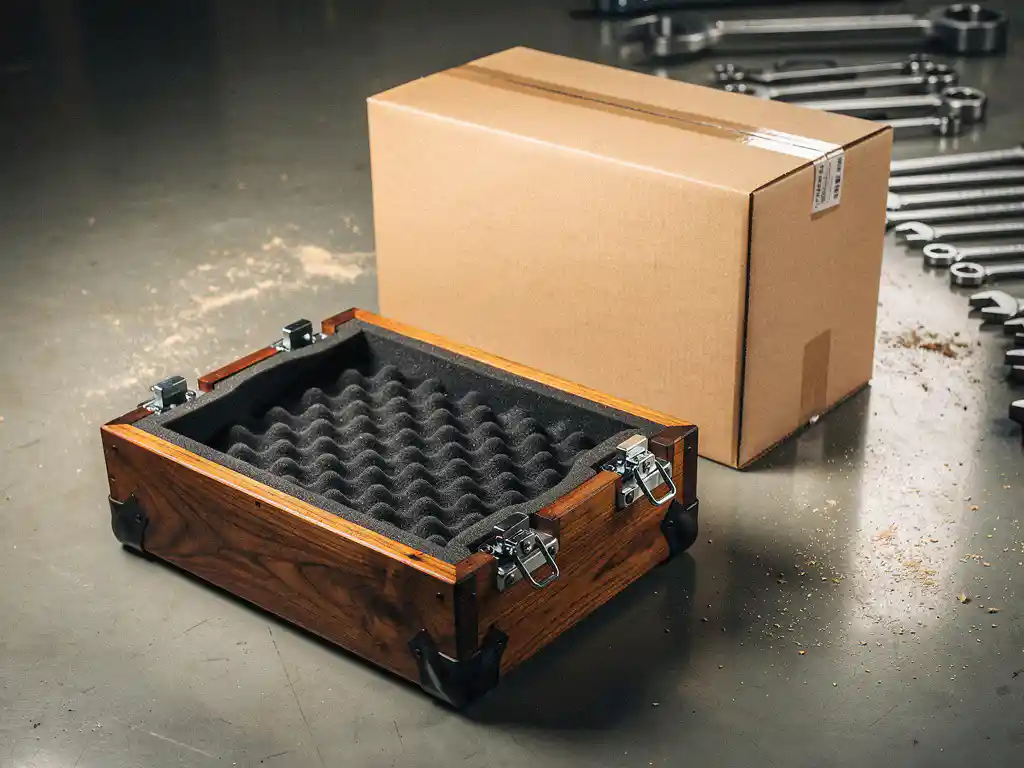
How does a TCO analysis differ for custom versus standard packaging?

Not part of a category  

How does a TCO analysis differ for custom versus standard packaging?

Standard packaging actually costs 2–3x more — discover how a TCO analysis proves it.
How often should a procurement team conduct a TCO analysis?

Not part of a category  

How often should a procurement team conduct a TCO analysis?

Run a TCO analysis annually and whenever your supply chain changes — hidden packaging costs are greater than you think.

Which department is responsible for the TCO analysis of packaging?

Not part of a category  

Which department is responsible for the TCO analysis of packaging?

TCO of packaging: more than the purchase price. Discover which department takes the lead and why collaboration is crucial.
How do you reduce the total cost of ownership in a complex supply chain?

Not part of a category  

How do you reduce the total cost of ownership in a complex supply chain?

Hidden costs in your supply chain drive up TCO more than you'd expect — discover how your choice of packaging changes that.
Order military packaging: from MIL-STD to NATO-certified

Not part of a category  

Order military packaging: from MIL-STD to NATO-certified

Wrong packaging, failed mission. Discover how certified custom packaging protects your defense equipment.
Which certifying bodies monitor compliance with NATO packaging requirements?

Not part of a category  

Which certifying bodies monitor compliance with NATO packaging requirements?

No central NATO inspection service: discover which bodies verify MIL-SPEC and STANAG compliance and what this means for your defense contract.
How does MIL-STD packaging relate to NATO packaging requirements?

Not part of a category  

How does MIL-STD packaging relate to NATO packaging requirements?

MIL-STD vs. NATO standards: discover the crucial differences and when each packaging requirement applies.

How does a TCO calculation help build a business case for custom packaging?

Total Cost of Ownership  

How does a TCO calculation help build a business case for custom packaging?

Custom packaging more expensive? A TCO calculation proves otherwise — discover how hidden costs determine the choice.

How do you prevent corrosion in military packaging in humid conditions?

Custom Design & Production  

How do you prevent corrosion in military packaging in humid conditions?

Moisture and condensation can cause corrosion and affect the reliability of military equipment. Suitable materials, VCI, desiccants and barrier packaging help control moisture and corrosion effectively. Relevant MIL-STD standards and targeted testing help keep packaging suitable for transport, storage and deployment.
What documentation is required when purchasing defense packaging?

Laws and Regulations  

What documentation is required when purchasing defense packaging?

Procuring defence packaging involves strict requirements for standards, certification, testing and documentation. The correct declarations, test reports and technical documents demonstrate that packaging and transport meet the required criteria. A complete and well-managed documentation file helps prevent delays and supports a smooth procurement and approval process.
How do you adapt defense packaging for different climate zones?

Custom Design & Production  

How do you adapt defense packaging for different climate zones?

Extreme heat, cold, humidity, dust and salt create operational risks for military equipment and its packaging. Climate adaptive custom packaging aligns materials, sealing, insulation and construction with the deployment environment and system. This keeps critical equipment protected and functional while supporting durable, reusable packaging.
Why do defense organizations choose certified defense packaging?

Custom Design & Production  

Why do defense organizations choose certified defense packaging?

Blurb Defence equipment requires proven protection and compliance with military requirements. Certification and MIL-STD testing reduce risks and verify packaging performance. This keeps critical equipment reliably protected during transport and deployment.
Which MIL-STD standards apply to packaging for ground transportation?

Laws and Regulations  

Which MIL-STD standards apply to packaging for ground transportation?

Ground transport places specific demands on military packaging. MIL-STD standards guide protection, testing and certification. This keeps equipment protected against shock and vibration in transit.
Which NATO packaging requirements differ by mode of transport?

Laws and Regulations  

Which NATO packaging requirements differ by mode of transport?

Each transport mode places different demands on military packaging. NATO standards guide protection, material choice and certification. This keeps equipment protected during air, sea and road transport.
IP65, IP67 or IP68: which IP rating is required for military packaging?

Custom Design & Production  

IP65, IP67 or IP68: which IP rating is required for military packaging?

Military packaging requires suitable protection against dust and water. The use case determines whether IP65, IP67 or IP68 is required. This ensures the IP rating matches the risks and testing requirements.
Which MIL-STD standards apply to the packaging of electronics?

Laws and Regulations  

Which MIL-STD standards apply to the packaging of electronics?

Military electronics require protection in line with the right MIL-STD standards. MIL-STD-2073, MIL-STD-810 and MIL-STD-129 guide packaging, testing and marking. Faes translates these requirements into a suitable packaging solution.
Defense packaging: requirements, certifications, and custom solutions

Laws and Regulations  

Defense packaging: requirements, certifications, and custom solutions

Defence packaging must protect equipment in demanding conditions. Faes translates standards and certification requirements into a custom solution. This keeps mission-critical equipment protected during transport, storage and deployment.
Custom military packaging: from design to certified production

Custom Design & Production  

Custom military packaging: from design to certified production

Custom military packaging starts with clear requirements. Faes turns them into a design that is tested and documented. The result is a production-ready solution that demonstrably meets the requirements.
Ordering mil-std packaging: requirements, testing, and certification

Laws and Regulations  

Ordering mil-std packaging: requirements, testing, and certification

MIL-STD packaging requires proven protection in demanding conditions. Faes translates the requirements into a tested and documented custom solution. This keeps mission-critical equipment protected during transport and storage.
MIL-STD packaging: the complete guide for defense procurement

Laws and Regulations  

MIL-STD packaging: the complete guide for defense procurement

Defence procurement requires packaging that goes beyond standard industrial solutions and demonstrably meets MIL-STD requirements. By translating requirements for protection, preservation, marking, documentation and materials into the packaging early, Faes helps prevent non-compliance. The result is protected defence materiel during transport, storage and handling, with control over quality and risk.
How do you document compliance with NATO packaging requirements?

Laws and Regulations  

How do you document compliance with NATO packaging requirements?

NATO-compliant military packaging requires complete documentation, traceability and use of the correct standards. By recording packaging specifications, test results and traceability data systematically, compliance becomes verifiable. This helps prevent documentation errors and shows whether the packaging and supplier meet the required standards.
NATO packaging requirements: what every defense procurement officer needs to know

Laws and Regulations  

NATO packaging requirements: what every defense procurement officer needs to know

NATO-compliant packaging starts with the right set of standards and technical requirements. Translating these requirements into a packaging specification and validating the solution through testing removes assumptions. This helps keep defence equipment safe, traceable and operationally ready during transport and storage.
What are the consequences of non-compliance in defense packaging?

Laws and Regulations  

What are the consequences of non-compliance in defense packaging?

Defence packaging that is not demonstrably compliant creates legal, contractual and operational risks. By managing standards, test status, documentation and procurement criteria, organisations can prevent non-compliance. This keeps packaging, safety and operational readiness demonstrably under control.
NATO packaging requirements for military transport: complete guide

Laws and Regulations  

NATO packaging requirements for military transport: complete guide

Incorrect packaging choices for military transport can damage equipment and delay missions. Custom NATO-compliant packaging protects materiel against shocks, moisture and extreme conditions. This keeps critical systems deployable while reducing safety, contractual and logistical risks.
What are the consequences of non-compliance with MIL-STD packaging requirements?

Laws and Regulations  

What are the consequences of non-compliance with MIL-STD packaging requirements?

Failure to meet MIL-STD packaging requirements can cause rejection, extra costs and contract risks. Correct packaging methods, marking, documentation and inspections support demonstrable compliance. This reduces the risk of delays, financial damage and the loss of defence contracts.
How often are NATO packaging requirements reviewed and updated?

Laws and Regulations  

How often are NATO packaging requirements reviewed and updated?

NATO packaging requirements evolve with technical developments, operational experience and emerging threats. Organizations such as the NATO Standardization Office determine when STANAG standards require revision. By actively tracking updates, suppliers remain compliant and keep critical products reliably protected.
How does MIL-STD packaging differ for air versus sea transport?

Custom Design & Production  

How does MIL-STD packaging differ for air versus sea transport?

Air and sea transport impose different requirements on MIL-STD packaging and product protection. Air freight demands low weight and protection from pressure changes, while sea freight requires greater resistance to moisture, corrosion and long-term storage. The right materials, barriers and construction keep critical equipment protected throughout either transport method.
How does custom protection compare to standard packaging for DOA prevention?

DOA's  

How does custom protection compare to standard packaging for DOA prevention?

Custom protection fits the product precisely and absorbs shocks, vibrations and other transit risks more effectively. Standard packaging may cost less initially, but it does not always provide sufficient protection for sensitive or valuable products. Comparing performance, risks and total costs helps you choose the best solution for preventing DOA incidents.
Why do defense and medical sectors have stricter DOA requirements?

DOA's  

Why do defense and medical sectors have stricter DOA requirements?

In defense and medical sectors, transit damage can have serious consequences for missions, treatments and safety. That is why packaging, certification, testing and full traceability must meet stricter requirements. A validated packaging solution keeps critical equipment reliably protected during transport and storage.
What monitoring systems detect DOA risks during transit?

DOA's  

What monitoring systems detect DOA risks during transit?

Real-time monitoring systems reveal temperature deviations, shocks, vibrations and humidity during transit. This allows companies to intervene before sensitive products arrive damaged or unusable. As a result, they reduce DOA incidents, return costs and disruption across the supply chain.
What packaging certifications ensure Dead on Arrival prevention?

DOA's  

What packaging certifications ensure Dead on Arrival prevention?

Packaging certifications demonstrate that packaging can withstand the risks of transport and storage. Standards such as ISTA help test shock, vibration, compression and environmental conditions realistically. This reduces the risk of DOA incidents, damaged products and costly returns.
How do custom cases prevent dead on arrival for instruments?

DOA's  

How do custom cases prevent dead on arrival for instruments?

Custom cases protect sensitive instruments from shock, vibration, moisture and temperature fluctuations. A precisely engineered design with tailored foam prevents movement and damage during transport and storage. This reduces the risk of DOA incidents, costly returns and unexpected downtime.
What are DOA prevention best practices in 2026?

DOA's  

What are DOA prevention best practices in 2026?

Prevent DOA incidents through smart packaging design, thorough testing and supply chain monitoring. Learn how material selection, handling training and real-time data better protect sensitive products. A structured approach reduces failures, returns and costs across the entire logistics chain.
What environmental factors cause dead on arrival failures?

DOA's  

What environmental factors cause dead on arrival failures?

Temperature changes, shock, vibration and moisture can seriously damage products during transport. Learn how these environmental factors cause DOA failures and which risks your packaging must withstand. A validated packaging solution protects sensitive products throughout the entire logistics chain.
How do moisture levels affect dead on arrival rates?

DOA's  

How do moisture levels affect dead on arrival rates?

Moisture in packaging and transport can cause damage, defects and higher DOA rates. By measuring and managing humidity, you can prevent condensation, corrosion and quality loss. With the right packaging solution, products stay better protected and arrive more reliably.
How do you factor return logistics into a TCO logistics calculation?

Not part of a category  

How do you factor return logistics into a TCO logistics calculation?

Hidden return costs structurally undermine your TCO — find out how to factor them in correctly.

How are defense packaging materials tested for shock and vibration resistance?

Not part of a category  

How are defense packaging materials tested for shock and vibration resistance?

How do military packaging solutions protect mission-critical equipment? MIL-STD-810 standards and certification make all the difference.

How do you ensure your packaging meets all NATO packaging requirements?

Not part of a category  

How do you ensure your packaging meets all NATO packaging requirements?

NATO packaging requirements are complex — find out which STANAG and MIL-SPEC standards apply and how to avoid costly rejections.
Does total cost of ownership include end-of-life and disposal costs?

Total Cost of Ownership  

Does total cost of ownership include end-of-life and disposal costs?

Total Cost of Ownership includes all lifecycle costs, including end-of-life and disposal, which are often overlooked in packaging decisions. By accounting for these factors, companies can reduce hidden costs and unlock more sustainable, long-term value.
How do tactical cases protect sensitive defense electronics?

Custom Design & Production  

How do tactical cases protect sensitive defense electronics?

Tactical cases protect sensitive defense electronics from extreme shocks, environmental conditions, and electromagnetic interference, ensuring mission-critical systems remain fully operational. By combining advanced materials, custom interiors, and military-grade testing, they act as essential risk mitigation solutions rather than standard packaging.
How do you secure drone parts against theft during transport?

Drones  

How do you secure drone parts against theft during transport?

To protect drone components during transport, combine a robust hard case (aluminum or high-grade plastic) with custom foam interiors and tamper-resistant closures. Add traceability (GPS, RFID, blockchain), invisible seals, and precise documentation to thwart theft or unauthorized access.
How do you safely pack drone batteries for shipping?

Drones  

How do you safely pack drone batteries for shipping?

Shipping drone batteries requires more than protection, it demands strict compliance and risk control. Discover how the right packaging ensures safe, regulation-proof transport every time.
How do you correctly document lithium battery transports?

Lithium-Ion packaging  

How do you correctly document lithium battery transports?

Accurate documentation of lithium battery shipments is mandatory under ADR, IATA, and IMDG regulations, including correct UN numbers, packaging certificates, safety data sheets, and emergency contacts. Common errors such as missing statements or incorrect details can lead to fines, shipment delays, or refusals.
What is industrial custom packaging?

Custom Design & Production  

What is industrial custom packaging?

Industrial custom packaging is a tailored solution designed to protect high-value or fragile products by perfectly matching their specifications and transport conditions. It reduces damage, lowers total costs, and improves efficiency across the entire supply chain.
Control within complex global automotive supply chains

Packaging Management  

Control within complex global automotive supply chains

This white paper demonstrates how smart, digitally connected packaging solutions help to minimise risks, maintain control over global supply chains and reduce the carbon footprint. The result: a supply chain that is not only more robust and sustainable, but above all more manageable in a world where mistakes are becoming increasingly costly.
How do you safely transport military drones by helicopter?

Drones  

How do you safely transport military drones by helicopter?

Packaging for helicopter transport must protect military drones from extreme vibration, shock, and limited cargo space while keeping them mission-ready. Custom transport cases with shock absorption, secure mounting, and military-grade protection are essential to ensure safe deployment and operational reliability.
What stackability is required for military drone transport?

Drones  

What stackability is required for military drone transport?

Military drone transport cases must be engineered for both static and dynamic stacking loads to ensure structural integrity, compliance, and mission readiness in harsh operational environments. Proper stackability design directly impacts protection, logistics efficiency, and lifecycle reliability within defense ecosystems.
How do maintenance kits for military drones work in the field?

Drones  

How do maintenance kits for military drones work in the field?

Military drone maintenance kits enable fast on-site diagnostics and repairs, ensuring systems remain operational in demanding field conditions. They combine modular spare parts, tools, and testing equipment to minimize downtime and maximize mission readiness.
How do you optimize case design for stackable storage?

Custom Design & Production  

How do you optimize case design for stackable storage?

Optimizing case design for stackable storage is key to reducing space usage while maintaining protection and stability. By combining smart material choices, balanced weight distribution, and modular design, stackable cases improve logistics efficiency and lower total storage and handling costs.
How are foam interiors designed for optimal protection?

Custom Design & Production  

How are foam interiors designed for optimal protection?

This article explains how custom-engineered foam interiors are designed to protect high-value equipment against shock, vibration, and transport risks. It outlines the material selection, design, and testing process, showing how optimized foam solutions reduce damage, prevent DOA, and lower total cost of ownership.
Which hinge mechanisms are the most reliable for heavy duty use?

Custom Design & Production  

Which hinge mechanisms are the most reliable for heavy duty use?

This article explains which hinge mechanisms perform best in heavy-duty applications, focusing on load capacity, material choice, and durability. It highlights how hinge design and testing influence long-term reliability in demanding industrial environments.
What are reusable packaging solutions for the defense industry?

Sustainability  

What are reusable packaging solutions for the defense industry?

Reusable packaging solutions for the defense industry are designed for durability, repairability, and long-term use, protecting mission-critical equipment across multiple transport cycles. By combining robust materials with modular design, these solutions reduce total cost of ownership while supporting sustainability and operational reliability in complex defense supply chains.
How do you pack drones safely for transport?

Drones  

How do you pack drones safely for transport?

Safely transporting drones requires more than standard packaging. Custom-engineered cases with precision foam and robust outer protection minimize damage from shocks, vibrations, and environmental exposure, ensuring drones arrive operational and compliant with transport regulations.
Which UN3481 rules apply to lithium-ion batteries?

Lithium-Ion packaging  

Which UN3481 rules apply to lithium-ion batteries?

UN3481 sets specific requirements for transporting lithium-ion batteries. The correct classification, packaging and documentation depend on the battery and transport mode. This helps ensure compliance and reduce risks during transport.
How do you prepare UN3480 shipping labels for lithium-ion transport?

Lithium-Ion packaging  

How do you prepare UN3480 shipping labels for lithium-ion transport?

Learn how to correctly prepare UN3480 shipping labels for lithium-ion batteries to ensure safe and compliant transport. This guide covers essential requirements, risks, and best practices for meeting international dangerous goods regulations.
Which IATA regulations are mandatory for battery air transport?

Laws and Regulations  

Which IATA regulations are mandatory for battery air transport?

Learn which IATA regulations are mandatory for transporting batteries by air and how to ensure full compliance with packaging, labeling, and documentation requirements. This guide helps you minimize risks, avoid delays, and safely ship dangerous goods worldwide.
What are the ADR regulations for lithium battery road transport 2025?

Laws and Regulations  

What are the ADR regulations for lithium battery road transport 2025?

The ADR rules for lithium battery transport are becoming stricter, with new requirements for classification, UN-certified packaging and documentation. This article clearly explains what is changing for UN3480/3481 and UN3090/3091, including packaging instructions and risks of non-compliance. Essential reading for anyone who wants to transport lithium batteries safely and in accordance with legislation.
How do you check if lithium batteries are suitable for export?

Lithium-Ion packaging  

How do you check if lithium batteries are suitable for export?

Lithium batteries may only be exported if they comply with strict safety and transport regulations. This includes checking their physical condition, UN 38.3 certification, correct documentation and safe, UN-certified packaging. Without these checks, regular transport is not permitted.
What temperature limits apply to lithium battery storage?

Lithium-Ion packaging  

What temperature limits apply to lithium battery storage?

The safe storage of lithium batteries requires stable temperatures around 0–25 °C to prevent risks such as degradation, swelling or even thermal runaway. The article explains why temperature control, monitoring and correct storage conditions are crucial for the safety and service life of every lithium battery.
What international shipping regulations apply to drones in 2025?

Drones  

What international shipping regulations apply to drones in 2025?

In 2025, international drone shipping is governed by strict regulations due to lithium battery risks, making compliance essential. Proper packaging, documentation, and certification are critical to ensure safe transport, prevent delays, and control costs.
What are the risks of poor drone packaging?

Drones  

What are the risks of poor drone packaging?

Poor drone packaging leads to hidden damage, operational failures, and costly downtime that can disrupt critical missions. Proper protective packaging is essential to ensure safety, reliability, and long term performance of high value equipment.
What foam protection do drones need during transport?

Drones  

What foam protection do drones need during transport?

Custom foam protection is essential for safely transporting drones by absorbing shocks and securing sensitive components like cameras and electronics. Tailored inlays with the right density prevent movement and reduce the risk of damage during transit.
The 8 wastes of Lean applied to high-tech packaging

Packaging Management  

The 8 wastes of Lean applied to high-tech packaging

Many companies optimize their production, but overlook waste in their packaging logistics. When examining the return process through the lens of the TIMWOODS method, it becomes apparent that the real gains are often found in movements, waiting times, and routines that do not add value. Doing less can yield surprising results—in terms of time, costs, and sustainability.
What regulations apply to radioactive material transport?

Laws and Regulations  

What regulations apply to radioactive material transport?

The transport of radioactive material is strictly regulated in accordance with international and national regulations. This article by Faes clearly explains which laws and regulations apply, which types of packaging are permitted, and how safety, certification, and documentation are guaranteed during each transport.
What are flight cases for defense equipment?

Custom Design & Production  

What are flight cases for defense equipment?

In this article, you can read about how flight cases for defence equipment offer maximum protection during transport and storage. You will discover which military standards and materials are used and why customisation is essential for safety and sustainability.
Which MIL-STD certifications are required for defense packaging?

Laws and Regulations  

Which MIL-STD certifications are required for defense packaging?

In this article, you can read about which MIL-STD certifications are required for defence packaging and why these standards are crucial for safety and reliability. You will discover how tests and procedures are applied to make packaging resistant to extreme conditions and long-term use.
How can you adapt packaging to different product loads?

Custom Design & Production  

How can you adapt packaging to different product loads?

Adapting packaging to different product loads requires a smart balance between protection, cost, and sustainability. By analyzing product characteristics, transport conditions, and load distribution, and validating designs through testing, you ensure safe, efficient, and eco-friendly packaging solutions.
How to prevent short circuits during lithium-ion transport?

Lithium-Ion packaging  

How to prevent short circuits during lithium-ion transport?

Preventing short circuits in lithium-ion transport demands rigorous insulation of terminals, use of non conductive separators, and shock-resistant packaging to stop internal or external contact. Mistakes here can lead to thermal runaway, fires, or explosions.
How do you prevent EMP damage to military equipment during transport?

Custom Design & Production  

How do you prevent EMP damage to military equipment during transport?

Protection against electromagnetic pulse (EMP) damage during military equipment transport relies on shielding enclosures like Faraday cages, using conductive materials and properly grounding electronics to block or dissipate high-energy electromagnetic fields. Failures in EMP protection can render critical systems inoperative, making robust design and compliance imperative.
Semiconductors in Europe: seizing opportunities starts with packaging & logistics

Packaging Management  

Semiconductors in Europe: seizing opportunities starts with packaging & logistics

The European chip industry is growing rapidly, but success depends on smart packaging and logistics. Read how you can ensure quality, delivery reliability and sustainability with the right packaging strategies.
What is IATA and why is it important for industrial packaging?

Laws and Regulations  

What is IATA and why is it important for industrial packaging?

IATA regulations determine whether your air freight will travel smoothly around the world. Discover how the right packaging prevents shipments from being rejected and how you can minimise costs, delays and risks.
What is ADR and why is it important for industrial packaging?

Laws and Regulations  

What is ADR and why is it important for industrial packaging?

ADR regulates the safe transport of dangerous goods and sets strict requirements for industrial packaging. From UN markings to labelling and compatibility, compliance prevents fines and guarantees safety and continuity in the supply chain. Faes helps companies make their packaging fully ADR compliant.
How do you protect vulnerable field equipment on construction sites?

Custom Design & Production  

How do you protect vulnerable field equipment on construction sites?

Vulnerable equipment on construction sites is at risk from moisture, dust, impact and incorrect handling. Customised packaging ensures maximum protection and a longer service life. We combine technical expertise and recognised standards to keep field equipment safe for use.
What are defense packaging solutions?

Custom Design & Production  

What are defense packaging solutions?

Defence packaging solutions offer maximum protection for equipment and apparatus under extreme conditions, from air drops to tropical heat and polar cold. Faes develops and tests customised flight cases, racks and containers in accordance with international MIL-STD standards and ensures safe, rapid deployment in every mission.
What is the difference between civilian and military packaging?

Custom Design & Production  

What is the difference between civilian and military packaging?

Civilian packaging is designed for controlled conditions, while military packaging must be able to withstand extreme heat, cold, moisture, shock and vibration. Thanks to strict MIL-STD certifications, durable materials and long service life, they protect critical equipment with maximum security.
How does military packaging work under extreme conditions?

Custom Design & Production  

How does military packaging work under extreme conditions?

Military packaging protects sensitive equipment under extreme conditions such as heat, cold, moisture, shock and vibration. Thanks to rigorous MIL-STD testing, high-quality materials and customisation, even the most critical systems remain safe and reliable in use.
How to choose the right packaging solution for defense equipment?

Custom Design & Production  

How to choose the right packaging solution for defense equipment?

Choosing the right packaging for defence equipment requires more than standard solutions. Standards such as MIL-STD and STANAG, combined with smart material choices and customised design, ensure maximum protection and logistical efficiency. Faes helps organisations transport their equipment safely, sustainably and in accordance with international requirements.