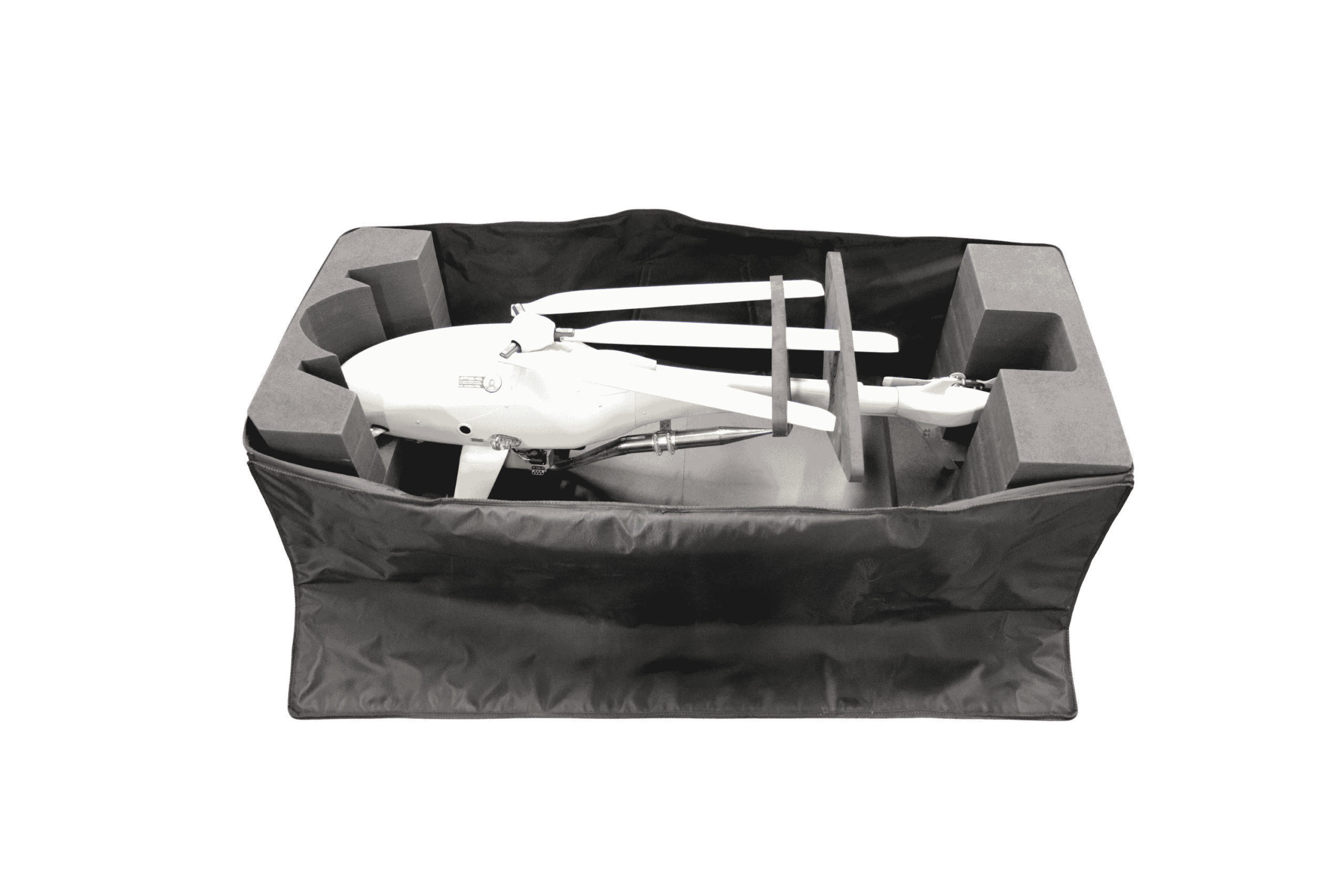
Safely transporting military drones by helicopter requires specialised mounting systems, shock-absorbing packaging, and compliance with military transport standards. Helicopter environments create unique challenges, including intense vibration, limited space, and rapid altitude changes that can damage sensitive drone components. Proper securing methods and protective cases designed for helicopter transport ensure your equipment arrives mission-ready.
What makes helicopter transport different for military drones?
Helicopter transport subjects military drones to significantly more vibration and movement than ground vehicles or fixed-wing aircraft. Rotorcraft generate continuous high-frequency vibrations that can damage delicate sensors, cameras, and electronic components over time.
The confined cargo space in helicopters creates weight distribution challenges. Unlike trucks or cargo planes, helicopters have strict centre-of-gravity requirements that affect how you position drone cases. Even small shifts in weight placement can impact flight stability and safety.
Environmental factors add another layer of complexity. Helicopters often operate at varying altitudes during single missions, creating pressure changes that can affect sealed components. The open or semi-open nature of some helicopter cargo areas also exposes equipment to wind, dust, and moisture that would not be encountered in enclosed transport.
Temperature fluctuations happen more rapidly in helicopter transport too. You might start a mission in cool morning air and quickly transition to hot desert conditions, requiring packaging that can handle these thermal shifts without condensation or component stress.
How do you secure drones properly inside a helicopter?
Effective drone securing starts with multi-point restraint systems that distribute forces across the entire case rather than relying on single attachment points. Use cargo nets or tie-down straps at multiple angles to prevent movement in any direction during flight manoeuvres.
Position heavier drone cases as close to the helicopter’s centre of gravity as possible. This typically means placing them near the cabin’s midpoint rather than at the front or rear. Work with your flight crew to determine the optimal placement for your specific helicopter model and mission profile.
Shock-absorbing mounts provide an additional layer of protection beyond the case itself. Rubber isolators or spring-loaded platforms can reduce the transmission of helicopter vibrations to your drone equipment. These mounts work particularly well for sensitive components such as gimbals or precision instruments.
Consider the loading and unloading process when planning your securing method. Quick-release mechanisms allow rapid deployment in tactical situations while maintaining security during flight. Practise your securing procedure on the ground to ensure smooth operations under pressure.
What protective packaging works best for helicopter-transported drones?
Rigid cases with high-density foam interiors provide the best protection against helicopter-specific stresses. The case exterior should be made from materials such as aluminium or high-impact plastic that will not crack under vibration while remaining lightweight enough for helicopter weight restrictions.
Custom foam inserts designed for your specific drone model prevent internal movement that could damage delicate components. The foam should compress slightly under normal conditions but resist bottoming out during hard impacts or severe vibrations. Multiple foam densities often work better than single-density solutions.
Waterproof sealing becomes more important in helicopter transport due to potential exposure to weather during loading or flight. Look for cases with O-ring seals and pressure relief valves that handle altitude changes without compromising water protection.
Modular case designs offer flexibility for different mission requirements. You can configure the interior layout based on whether you are transporting spare batteries, additional sensors, or maintenance tools alongside the drone itself. This adaptability proves valuable when mission parameters change.
Why do military standards matter for drone transport packaging?
Military standard (MIL-STD) requirements ensure your drone packaging can withstand the extreme conditions of military operations. These standards test for vibration resistance, shock absorption, temperature extremes, and environmental sealing that civilian packaging might not address.
Military packaging standards such as MIL-STD-810 simulate the actual stresses equipment faces during helicopter transport. The testing includes specific vibration profiles that match rotorcraft environments, ensuring your packaging will not fail under operational conditions.
Compliance with defence packaging regulations also affects procurement and deployment timelines. Military organisations often require certified packaging before approving equipment for field use. Having compliant packaging from the start prevents delays in getting your drones operational.
Documentation and traceability requirements in military standards provide accountability throughout the supply chain. This becomes important when investigating equipment failures or demonstrating due diligence in equipment protection protocols.
How do you choose the right transport solution for your drone operations?
Start by evaluating your specific drone specifications, including weight, dimensions, and sensitivity to environmental factors. Different drone types require different protection levels – a ruggedised surveillance drone needs less cushioning than a precision mapping drone with delicate sensors.
Consider your typical mission profiles and helicopter types. Transport cases for small utility helicopters have different size constraints from those for large military transport aircraft. Factor in how often you will be loading and unloading equipment under time pressure.
Budget considerations should include the total cost of ownership, not just the initial purchase price. A higher-quality case that prevents equipment damage pays for itself over time compared with cheaper options that require frequent repairs or replacements.
When selecting a packaging partner, look for companies with experience in military applications and knowledge of relevant standards. We understand the unique requirements of defence applications and work with organisations to develop solutions that meet both operational needs and compliance requirements. Our expertise in industrial custom packaging includes working with military contractors who need reliable protection for sensitive equipment.
The right partnership involves more than just supplying cases. Look for providers who offer design consultation, testing support, and ongoing service. You can learn more about our approach and experience by visiting our company information page, or get in touch to discuss your specific requirements.
Successful military drone transport by helicopter depends on understanding the unique challenges of rotorcraft environments and implementing appropriate protective measures. The combination of proper securing techniques, suitable packaging materials, and compliance with military standards ensures your equipment remains operational when missions demand it. Taking time to select the right transport solution upfront prevents costly equipment failures and mission delays in the field.
Frequently Asked Questions
What are the most common mistakes when securing drones in helicopters?
The most frequent errors include using single-point attachments instead of multi-point restraint systems, placing cases too far from the helicopter's centre of gravity, and failing to account for dynamic loading during manoeuvres. Many operators also underestimate the cumulative effect of vibration exposure over long flights, leading to component failures that could have been prevented with proper shock-absorbing mounts.
How do I know if my existing drone case meets military transport standards?
Check for MIL-STD-810 certification markings on your case, which indicate testing for vibration, shock, and environmental conditions specific to military applications. If documentation is unavailable, look for features like O-ring seals, pressure relief valves, and high-density foam that compresses without bottoming out. When in doubt, consult with a packaging specialist who can evaluate your current case against military requirements.
Can I transport multiple drones in a single case for helicopter missions?
While possible, multi-drone cases require careful consideration of weight distribution and internal protection. Each drone needs individual foam compartments to prevent contact damage during vibration, and the total weight must remain within helicopter cargo limits. Single-drone cases often provide better protection and easier handling, especially for quick deployment scenarios.
What should I do if my drone case gets damaged during helicopter transport?
Immediately inspect the drone for any damage before the next mission, paying special attention to sensors, gimbals, and electronic connections. Document the case damage with photos and check if it compromises waterproofing or shock absorption. Replace damaged cases promptly, as compromised protection significantly increases the risk of equipment failure during subsequent transport.
How often should I replace foam inserts in military drone transport cases?
Replace foam inserts when they show permanent compression, cracking, or loss of cushioning properties, typically after 12-18 months of regular use in demanding conditions. High-frequency helicopter vibrations accelerate foam degradation compared to ground transport. Keep spare foam inserts on hand, as degraded foam provides insufficient protection and can allow dangerous equipment movement during flight.
Are there specific weight limits I need to consider for helicopter drone transport?
Yes, helicopter cargo weight limits vary significantly by aircraft type and mission configuration. Consult your flight crew for specific weight restrictions and centre-of-gravity requirements for your helicopter model. Factor in not just the drone and case weight, but also personnel, fuel, and other mission equipment to avoid exceeding safe operating limits.
What environmental testing should I request when ordering custom drone transport cases?
Request testing that matches your operational environment, including vibration profiles specific to your helicopter types, temperature cycling for your deployment regions, and altitude pressure testing for your typical flight profiles. Ensure testing includes rapid temperature changes and humidity exposure that simulate real-world helicopter operations rather than just standard laboratory conditions.