


Theme:
TCO analysis for industrial packaging: here’s how it works
The purchase price is just the tip of the iceberg — a TCO analysis reveals what packaging truly costs.
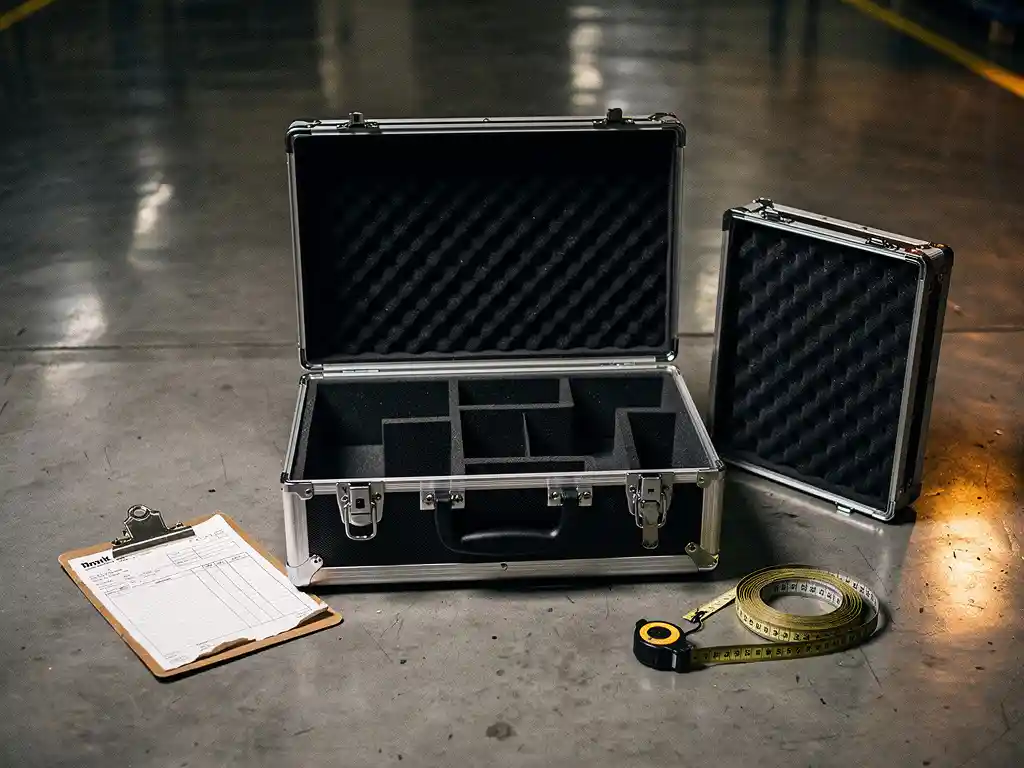
The purchase price is just the tip of the iceberg — a TCO analysis reveals what packaging truly costs.
You know what a packaging solution costs to order. But do you know what that packaging really costs over its entire lifespan?
Many companies focus on purchase price and, as a result, miss the hidden costs that quietly drive up the total bill. A TCO analysis brings those costs to light — and the outcome is almost always surprising.
The purchase price is just the tip of the iceberg. Beneath the surface lie cost factors that are rarely included in a quote comparison, yet in practice account for the largest share of your packaging budget.
Think of damaged products that need to be repacked or replaced. Packaging that goes straight in the bin after a single use. Storage space filled with empty containers. Logistical delays because the packaging doesn’t fit the transport requirements.
TCO stands for Total Cost of Ownership: the total cost of owning a packaging solution across its full lifecycle. A TCO analysis forces you to look beyond the purchase invoice and gain a clear picture of the true cost per shipment, per year, or per product cycle.
A thorough TCO analysis examines every phase of the packaging process — more phases than most purchasing departments typically account for.
In sectors such as high-tech, medical, and defense, damage and compliance costs can escalate significantly when packaging does not fully meet the requirements of the product and its transport conditions.
A cheaper off-the-shelf solution may look attractive on the purchase invoice. In a TCO analysis, that option often loses ground.
Custom packaging is designed around the exact dimensions, weight, and fragility of your product. This has a direct impact on total costs:
The initial investment in custom packaging is higher, but the cost savings over the full lifecycle more than make up the difference.
Sustainability is not a separate conversation alongside the TCO analysis. It sits right at the heart of it.
Reusable packaging that you repair, redeploy, and recycle at the end of its lifespan structurally reduces the cost per use. The more times a packaging solution completes the cycle, the lower the cost per shipment becomes.
Circular packaging principles also deliver benefits that go beyond cost savings:
In 2026, a growing number of clients in the high-tech, medical, and defense sectors are placing explicit sustainability requirements on their suppliers. A circular packaging strategy is therefore not only a cost-saving measure, but also a commercial advantage.
Faes looks beyond the packaging itself. As a full-service packaging partner, we analyze the entire packaging process — from design and production to storage, return logistics, and maintenance.
What you get with a TCO analysis through Faes:
Through Packaging Management, Faes takes full responsibility for your packaging process — from inventory management and return logistics to maintenance and fulfillment. That way, you stay focused on your core activities while your packaging costs structurally decrease.
Want to know what your packaging really costs? Contact Faes for a tailored TCO analysis.


Michel Prins is Account Manager at Faes and a specialist in Safety & Security. Thanks to his background at the Ministry of Defense and years of experience in the sector, he advises organizations on reliable packaging solutions for critical applications. He combines practical knowledge with technical expertise to package sensitive equipment safely and efficiently.
More articles by Michel PrinsGood packaging doesn’t happen by chance. Using a proven process, our specialists guide you step by step from the initial idea to the final product.