


Theme:
What materials are used for certified defense packaging?
From MIL-SPEC aluminum to PE foam: discover which materials and certifications certified defense packaging requires.
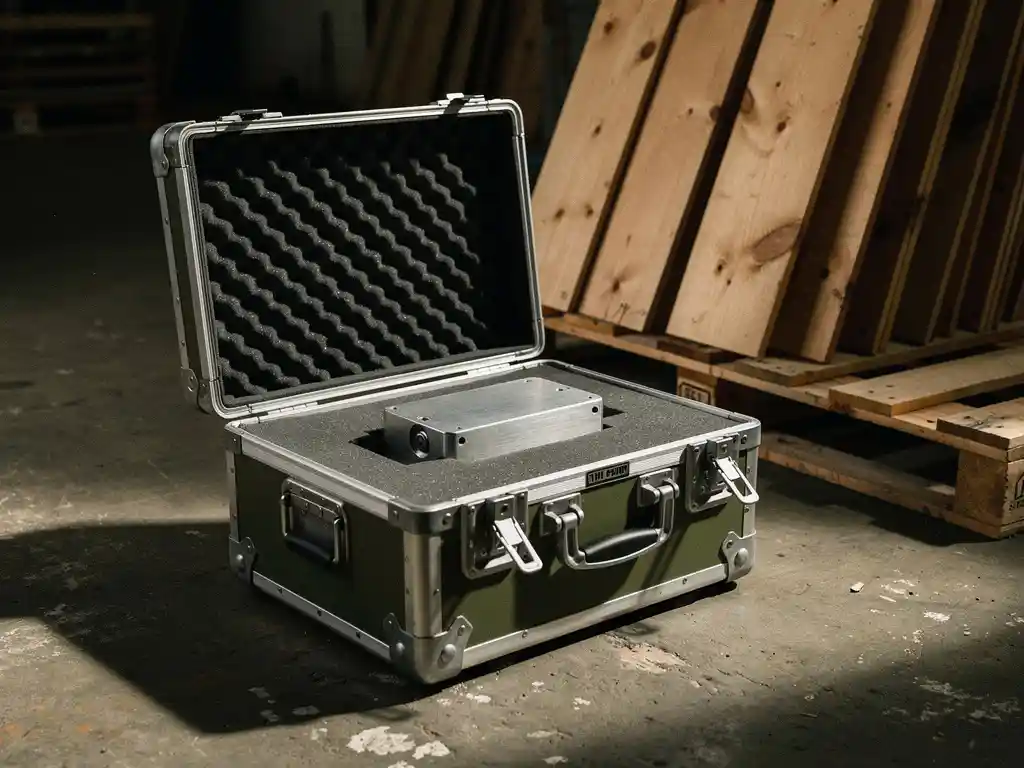
From MIL-SPEC aluminum to PE foam: discover which materials and certifications certified defense packaging requires.
Certified defense packaging is primarily manufactured using aluminum, steel, high-grade wood (such as plywood and hardboard), polyethylene (PE) foam, polyurethane (PU) foam, and engineering plastics. The choice of material depends on the specific MIL-SPEC requirements for the equipment being protected, the transportation conditions, and the operational context. In this article, we answer the most frequently asked questions about materials, certifications, and design choices for military packaging.
Military packaging is primarily governed by MIL-SPEC (Military Specification) and MIL-STD (Military Standard) standards, supplemented by international standards such as ASTM D4169 for transportation testing and ISO 9001 for quality management. In the Netherlands and across Europe, NEN standards also play a role, depending on the type of equipment and its application.
The most relevant military standards for packaging are:
In addition to technical standards, there are specific requirements from NATO, such as STANAG (Standardization Agreement) standards that ensure interoperability between member states. Dutch defense organizations are also subject to the requirements of the Ministry of Defense itself, which in many cases are more stringent than the international minimum requirements. It is therefore not enough to simply produce packaging that looks sturdy. Every step in the design and production process must be traceable and documented.
Materials that meet MIL-SPEC requirements for defense packaging include aircraft-grade aluminum (6061-T6), marine plywood (plywood bonded with waterproof adhesive), HDPE (high-density polyethylene), stainless steel, and specialized composite materials. Each material must demonstrably withstand the conditions for which it has been certified.
Aluminum is the most widely used base material for military transport cases and flight cases. It combines low weight with high strength and corrosion resistance, which is essential for air and sea freight. Aircraft-grade aluminum (6061-T6) offers an excellent weight-to-stiffness ratio. Steel is used where additional protection against mechanical damage or forced entry is required, such as in ammunition packaging or secure transport cases.
Marine plywood and hardboard are widely used as structural materials for the walls of transport cases. Marine plywood is moisture-resistant, easy to work with, and relatively lightweight. For shipments to countries with strict phytosanitary regulations (ISPM-15), wood must be treated — an additional certification requirement in international defense logistics. In many cases, untreated wood simply cannot be imported.
HDPE and other engineering plastics are used in applications requiring chemical resistance, UV resistance, or electrical insulation. Plastic cases are also suitable for environments where metal is undesirable due to the magnetic sensitivity of the contents.
In certified defense packaging, foam is responsible for absorbing shock and vibration to protect the contents. It forms a custom-cut interior that holds equipment securely in place and absorbs peak loads that would otherwise cause damage. Without a well-designed foam interior, even the strongest outer shell will not meet MIL-SPEC shock test requirements.
The two most commonly used foam types in military packaging are:
In addition to foam type, density (kg/m³) is a critical parameter. A density that is too low provides insufficient resistance under heavy impacts, while a density that is too high transmits shocks rather than absorbing them. Designing a foam interior for military applications therefore requires calculations based on the weight of the equipment, the expected drop height, and the allowable peak acceleration (expressed in G-forces).
Some applications require antistatic foam or foam that complies with aviation safety regulations (FAR 25.853 for flame resistance). This is relevant when equipment is transported by military airlift.
Packaging materials for defense applications protect against extreme conditions through a combination of mechanical barriers, moisture control, thermal insulation, and pressure compensation. Each element of the packaging design serves a specific function that works in concert with the other components.
The most common extreme conditions that military packaging must protect against include:
A well-designed defense package combines all these layers of protection into a single integrated system. The outer shell provides mechanical protection, the seal manages moisture and pressure, and the interior absorbs dynamic forces. Omitting any one layer leaves the entire system vulnerable.
A flight case is a lightweight, modular transport case designed primarily for repeated use in controlled logistics environments, while a military transport case is built to specific MIL-SPEC standards and must withstand extreme operational conditions, including field use and uncontrolled storage. The difference lies in certification, material specifications, and the level of protection provided.
In practice, however, the boundaries are less clear-cut than they might appear. Modern flight cases for defense applications are increasingly being built with materials and construction methods that meet military requirements. The key distinguishing factors are:
For defense customers executing formal procurement processes or delivery contracts, the documentation and certification of the case is often just as important as the physical protection the product provides.
For reusable defense packaging, aluminum, HDPE, stainless steel, and high-grade marine plywood are the most suitable materials. They combine a long service life with repairability and can withstand the intensive use cycles that military logistics demands. Reusability is not only more sustainable — it is also more cost-effective in the long run.
Reusable packaging is gaining ground in defense logistics, driven in part by growing pressure to improve sustainability and reduce costs within defense budgets. The choice of material largely determines how long a package lasts and how easily it can be repaired or refurbished:
A circular approach to defense packaging means that the design already accounts for repair, refurbishment, and eventual recycling. This requires modular construction, standardized components, and documentation of the materials used. Sustainable defense packaging is therefore not only better for the environment — it is also smarter from a logistics standpoint.
Faes provides end-to-end packaging solutions for defense organizations, military contractors, and security institutions facing strict MIL-SPEC requirements and complex logistics challenges. With more than 35 years of experience in custom industrial packaging, Faes combines technical expertise with in-depth knowledge of military standards.
What Faes specifically offers defense customers:
Faes understands that defense packaging leaves no room for compromise. Whether it involves a one-time delivery order or a long-term framework contract, every product is designed and manufactured with the precision and reliability the sector demands. Want to find out how Faes can solve your specific packaging challenge? Explore Faes defense packaging solutions or get in touch directly for a no-obligation conversation with one of our packaging specialists.


Robert Verboven is Sales Manager at Faes and advises customers on smart packaging solutions within the industry. He translates complex packaging needs into practical solutions that contribute to a more efficient supply chain.
More articles by Robert VerbovenGood packaging doesn’t happen by chance. Using a proven process, our specialists guide you step by step from the initial idea to the final product.