


Theme:
How are MIL-STD packaging materials certified and tested?
MIL-STD certification requires rigorous environmental testing. Discover which standards apply, who certifies, and what vendors need to offer.
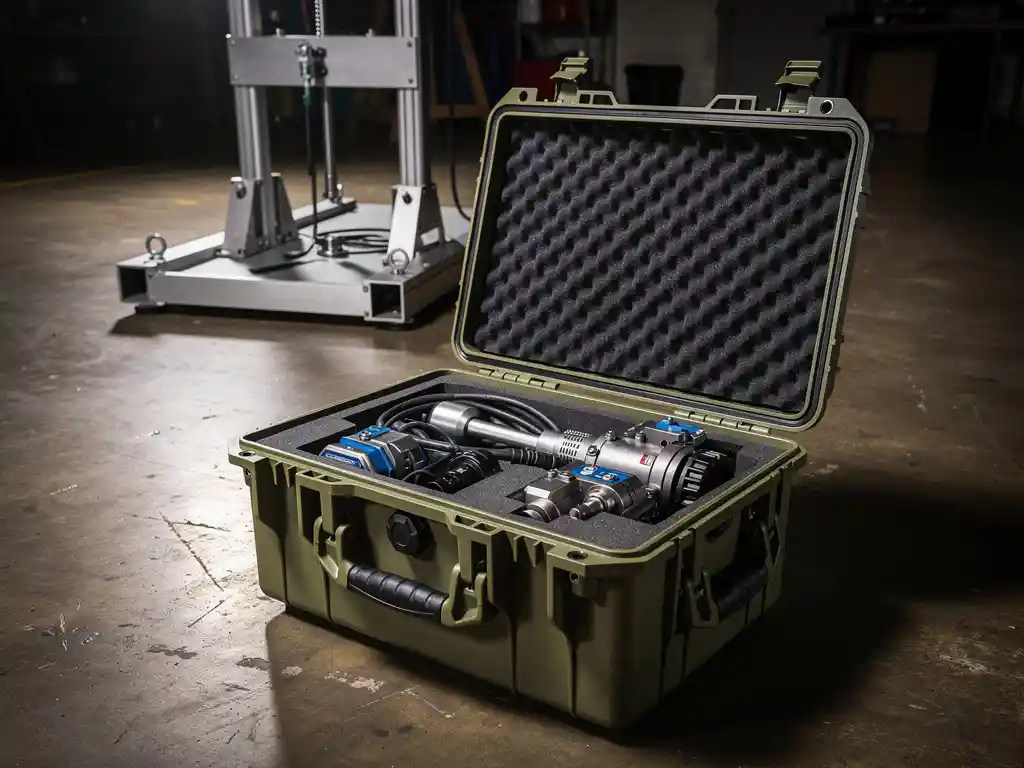
MIL-STD certification requires rigorous environmental testing. Discover which standards apply, who certifies, and what vendors need to offer.
MIL-STD packaging is certified through a structured testing process in which the packaging is subjected to extreme conditions such as vibration, shock, moisture, and temperature fluctuations. Tests are conducted by accredited laboratories or defense agencies in accordance with specific military standards. This article answers the most frequently asked questions about MIL-STD certification, from applicable standards to supplier requirements.
The two most widely used MIL-STD standards for military packaging are MIL-STD-810 and MIL-STD-2073. MIL-STD-810 focuses on environmental testing of equipment and packaging, while MIL-STD-2073 defines the standard procedures for military packaging and preservation. Together, they form the backbone of any certified packaging program for defense applications.
In addition to these two core standards, there are supplementary standards that may apply depending on the specific application:
Which standard applies depends on the nature of the equipment being packaged, the transport route, and the intended end use. Sensitive electronics or communications equipment are subject to different requirements than mechanical components or ammunition. It is therefore essential to determine which standards are relevant to your specific situation during the design phase.
The testing process for MIL-STD packaging proceeds in phases: first, the packaging is designed and prototyped in accordance with the applicable standards; next, laboratory testing is conducted under simulated environmental conditions; and finally, evaluation and documentation are carried out by an accredited body. The entire process requires careful planning and thorough technical documentation.
In practice, the process unfolds as follows:
This process can take anywhere from a few weeks to several months, depending on the complexity of the packaging and the number of tests required. Thorough preparation and close collaboration with an experienced packaging supplier can significantly reduce this lead time.
During a MIL-STD packaging inspection, the packaging is tested for resistance to mechanical stress, extreme temperatures, moisture, pressure changes, and electrostatic discharge. The exact test parameters are defined in the applicable MIL-STD standard and are tailored to the expected transport conditions and operational environment.
The most common test types include:
The intensity and duration of each test are determined by the specific MIL-STD method. For mission-critical equipment such as drones or communications systems, test requirements are generally more stringent than for standard logistics equipment.
MIL-STD packaging is certified by accredited test laboratories, defense agencies, or accredited third parties authorized to conduct and evaluate the prescribed tests. In practice, these are typically ISO 17025-accredited laboratories or defense-related inspection bodies.
In the Netherlands and across Europe, several parties are involved in this process:
It is important to verify in advance which certifying body is accepted by the client or the relevant defense program. This prevents the need to repeat testing with a different party.
MIL-STD-810 is an environmental test standard that describes how equipment and packaging must be tested for resistance to physical and climatic conditions. MIL-STD-2073 is a packaging standard that defines the procedures and material requirements for military packaging and preservation. The two standards complement each other and are often applied together.
MIL-STD-810 focuses on testing the performance of equipment and packaging under realistic operational conditions. The standard describes more than thirty test methods, including vibration, shock, extreme temperatures, moisture, and sandstorms. Its purpose is to demonstrate that the packaging protects its contents under the conditions in which the equipment is actually deployed or transported. MIL-STD-810 is technical in nature and strongly oriented toward test procedures and measurement methods.
MIL-STD-2073 defines the standard procedures for packaging, preserving, and labeling military equipment. The standard specifies which packaging materials, barrier layers, and preservation methods are permitted, and how the packaging must be assembled to ensure shelf life and transport durability. Where MIL-STD-810 is the test method, MIL-STD-2073 is the implementation standard for the packaging process itself.
In practice, when developing MIL-STD packaging, the design is first aligned with the requirements of MIL-STD-2073, after which the packaging is tested in accordance with the methods of MIL-STD-810. Both standards are therefore complementary and frequently reference each other.
A MIL-STD certification does not have a fixed universal validity period. Its validity depends on the specific standard, the contractual requirements of the client, and any changes to the design or production of the packaging. Once the design or materials used are modified, recertification is generally required.
In practice, the following guidelines apply:
It is advisable to actively manage the validity period of a certification and to initiate the recertification process in a timely manner, so that no interruption occurs in the ability to fulfill defense contracts.
A packaging supplier seeking to deliver MIL-STD certified packaging must possess technical knowledge of the relevant standards, access to certified test facilities, a documented quality management system, and demonstrable experience with defense-related projects. Qualifications such as ISO 9001 and familiarity with AQAP standards are virtually indispensable in the defense sector.
In concrete terms, a qualified supplier must meet the following requirements:
The more of these competencies a supplier has in-house, the more efficient and reliable the certification process will be. A supplier that integrates engineering, production, and test management significantly reduces the risk of delays and miscommunication.
Faes.nl delivers complete end-to-end packaging solutions for defense clients that must comply with MIL-STD requirements. With more than 35 years of experience in custom industrial packaging and in-depth knowledge of military standards, Faes supports you from initial design through test management to final delivery.
What Faes offers for defense applications:
Want to find out how Faes can support your defense project with certified MIL-STD packaging? Visit the Faes defense solutions page and get in touch for a no-obligation consultation with one of our packaging specialists.


Robert Verboven is Sales Manager at Faes and advises customers on smart packaging solutions within the industry. He translates complex packaging needs into practical solutions that contribute to a more efficient supply chain.
More articles by Robert VerbovenGood packaging doesn’t happen by chance. Using a proven process, our specialists guide you step by step from the initial idea to the final product.