


Theme:
Which certifying bodies monitor compliance with NATO packaging requirements?
No central NATO inspection service: discover which bodies verify MIL-SPEC and STANAG compliance and what this means for your defense contract.
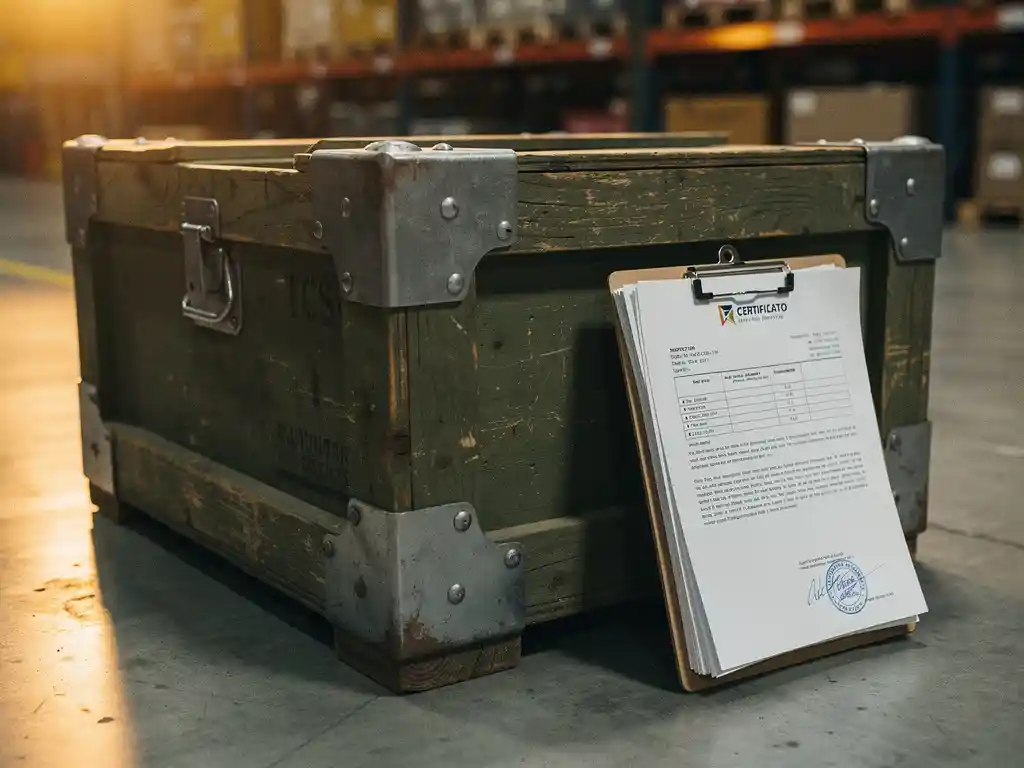
No central NATO inspection service: discover which bodies verify MIL-SPEC and STANAG compliance and what this means for your defense contract.
Compliance with NATO packaging requirements is monitored through a combination of national defense authorities, accredited testing laboratories, and the internal quality systems of defense suppliers. There is no single central NATO body that inspects all packaging. In practice, the system operates through a layered structure of standards development, national implementation, and independent conformity assessment. In this article, we answer the most frequently asked questions about this process.
NATO packaging standards are primarily established by the NATO Standardization Office (NSO), the central body within NATO responsible for developing and managing STANAG documents (Standardization Agreements). The NSO works together with national standardization bodies of member states to harmonize and codify technical requirements.
Within this framework, several bodies play a role:
It is important to understand that NATO standards are in principle recommendations that obligate member states to implement them, but that enforcement takes place at the national level. Each member state is individually responsible for application and oversight within its own defense organization and supply chain.
Responsibility for verifying compliance with MIL-SPEC and STANAG requirements lies with a combination of national defense procurement organizations, independent quality assurance bodies, and suppliers themselves through contractually mandated quality systems. There is no single European or NATO-wide inspection service that performs this centrally.
In practice, the following parties are involved in oversight:
The AQAP standards play a central role here. AQAP 2110 is the most widely used standard for defense suppliers and requires that a supplier maintain a documented quality management system that meets the customer’s requirements. This system also covers the packaging requirements specified in the contract.
STANAG and MIL-STD are both standards documents for defense packaging, but they originate from different sources and have different scopes. STANAG is a NATO-wide agreement between member states, while MIL-STD is an American military standard used globally as a reference but formally under the authority of the U.S. Department of Defense.
A STANAG (Standardization Agreement) is an agreement between NATO member states to harmonize certain procedures, processes, or material specifications. For packaging, STANAG 4280 is relevant, setting requirements for packaging and shelf-life procedures for NATO materiel. STANAG standards are binding for member states that have ratified them and are intended to ensure interoperability between different national defense forces.
MIL-STD standards such as MIL-STD-2073 (packaging procedures) and MIL-STD-648 (packaging design) are established by the U.S. Department of Defense. Although they formally apply only to American defense contracts, they are used worldwide as a technical reference. Many NATO member states apply MIL-STD requirements in their own contracts, particularly when collaborating with American defense partners. For European suppliers, this means that in practice you often encounter both sets of standards, depending on the customer and the country of destination.
A conformity assessment for defense packaging follows a structured process in which the packaging is evaluated against the requirements specified in the contract and the applicable standards. This process includes documentation review, physical testing, and formal approval by the competent authority.
The process typically proceeds through the following steps:
It is advisable to work closely with the customer and any NQA representatives from the design phase onward. Early alignment prevents costly modifications later and shortens the lead time of the approval process.
Testing laboratories authorized to perform military packaging tests must be accredited in accordance with ISO/IEC 17025, the international standard for the competence of testing and calibration laboratories. Within the NATO context, laboratories are recognized through national accreditation bodies, such as the Dutch Accreditation Council (RvA) in the Netherlands.
Relevant testing laboratories and accreditation bodies include:
MIL-STD-810 is the most widely used test standard for environmental loading of military equipment and packaging. This standard describes test methods for temperature extremes, humidity, vibration, shock, and other environmental factors. Packaging that meets the relevant MIL-STD-810 test methods provides a documented basis for compliance with NATO packaging requirements.
If packaging fails to meet the NATO packaging requirements specified in a contract, this can result in rejection of the delivery, contractual penalties, and delays to the defense project. The severity of the consequences depends on the nature of the non-conformity and the stage at which it is identified.
The potential consequences include:
Prevention is therefore by far the most prudent strategy. By identifying the correct standards early in the design process, scheduling accredited tests, and building a thorough quality file, you minimize the risk of rejection. Working with a packaging partner that has demonstrable experience with defense standards and MIL-STD requirements is an important step in achieving this.
Faes.nl offers defense customers a complete end-to-end packaging solution for products that must comply with the stringent requirements of NATO, MIL-SPEC, and STANAG standards. With more than 35 years of experience in custom industrial packaging and a proven track record in the defense sector, Faes understands what is at stake with mission-critical equipment.
What Faes specifically offers for defense packaging:
Want to find out how Faes can support your defense project with packaging that demonstrably meets current NATO packaging requirements? Visit the Faes defense solutions page or get in touch directly for a no-obligation consultation.


Michel Prins is Account Manager at Faes and a specialist in Safety & Security. Thanks to his background at the Ministry of Defense and years of experience in the sector, he advises organizations on reliable packaging solutions for critical applications. He combines practical knowledge with technical expertise to package sensitive equipment safely and efficiently.
More articles by Michel PrinsGood packaging doesn’t happen by chance. Using a proven process, our specialists guide you step by step from the initial idea to the final product.