Contact

Transporting lithium-ion batteries for military drones poses specific fire risks that defense organizations should not underestimate. Thermal runaway, a dangerous phenomenon in which batteries overheat uncontrollably, can lead to fire or explosion within seconds during transport. For defense drones and new drone defense, it is crucial to understand what preventive measures are necessary to manage these risks.

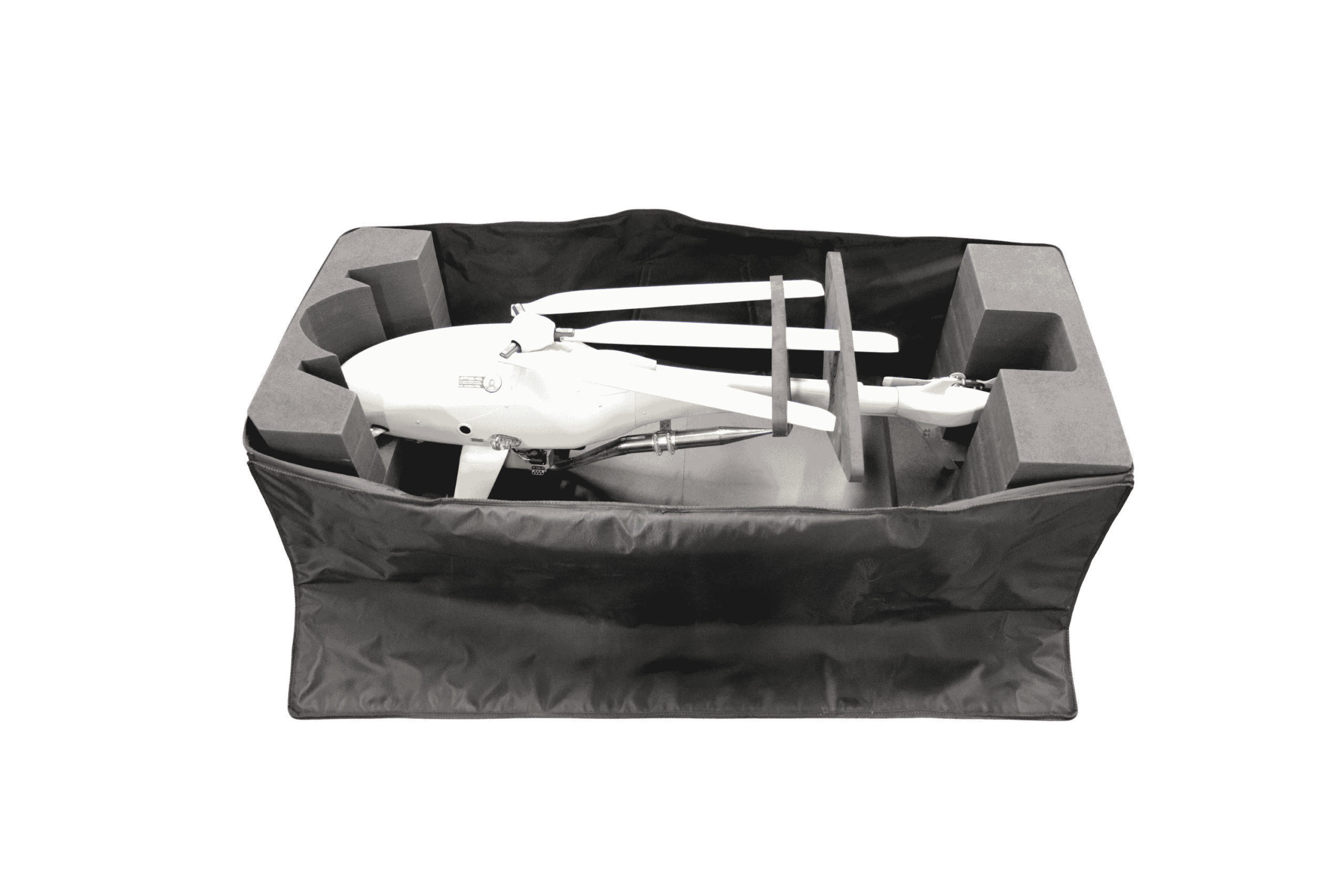
A proper transport case drone with the right specifications can make the difference between safe transportation and a potentially dangerous situation. This guide covers the essential aspects of fire prevention when transporting lithium batteries for military applications, from UN standards to practical packaging solutions.

Why lithium batteries are a fire hazard during transport

Lithium-ion batteries in military drones are particularly vulnerable to thermal runaway, a process in which the battery overheats uncontrollably. This phenomenon occurs when the battery’s internal temperature rises above 150°C, triggering a chain reaction that cannot be stopped.

Defense drones often contain powerful lithium batteries with high energy density, which increases the risk of thermal runaway. During transport, several factors can trigger this process:

  • Mechanical damage caused by shock or vibration
  • Exposure to extreme temperatures
  • Overload due to short circuit
  • Production defects in battery cells

Military drone batteries are especially vulnerable because they are often exposed to harsh conditions and frequent transportation. A damaged lithium-ion battery can reach temperatures of more than 800°C within minutes, releasing toxic gases and starting fires.

What UN standards apply to military drone batteries

The transportation of lithium batteries is subject to strict UN classifications specifically designed to minimize fire risks. The main standards for military drones are:

UN Code Application Specific requirements
UN3480 Loose lithium ion batteries Special packaging, up to 30% charge
UN3481 Batteries in equipment (drones) Equipment must be switched off
UN3171 Damaged batteries Additional insulation and ventilation required

For new drones defense often applies UN3481, leaving the lithium battery in the drone itself. This classification requires that the device be completely disabled and protected from inadvertent activation. Military organizations must ensure that their transportation procedures meet these international standards.

UN standards also require batteries with more than 30% load to be treated as hazardous materials, requiring additional documentation and specialized transporters.

Essential packaging requirements for safe battery transportation

An effective drone case for military applications must meet strict technical specifications to minimize fire risks. Fire-resistant materials are the foundation of any safe transport solution for lithium-ion batteries.

Material specifications

The transport case drone must be made of materials that can withstand high temperatures and mechanical impact. Aluminum and specialized plastics with fire-retardant properties are essential. The interior requires special foam that is not only shock-absorbent but also heat-resistant.

Insulation and ventilation

Adequate insulation prevents external temperature fluctuations from affecting the batteries. At the same time, the packaging must have controlled ventilation to prevent any gas build-up. IP 67 rating ensures protection against moisture and dust, which is crucial for military environments.

Shock resistance

Military drone cases must withstand extreme shock and vibration. MIL-STD specifications dictate that packages must withstand drop tests of at least 1.2 meters in height and vibration tests that simulate military transport conditions.

Practical fire prevention measures during transport

Effective fire prevention begins with systematic monitoring of the charge level of lithium batteries before transportation. Batteries should be discharged to no more than 30% of their capacity to minimize the risk of thermal runaway.

Temperature monitoring

Implement temperature sensors in transport cases to enable continuous monitoring. Set alarms to sound at temperatures above 60°C so that timely action can be taken.

Battery separation

Place individual batteries in separate compartments within the drone case. This prevents a failed battery from affecting other batteries. Use fireproof partitions between different battery compartments.

Emergency Procedures

Develop clear emergency procedures in case of overheating during transport:

  • Immediate isolation of the packaging in question
  • Evacuation of the immediate area
  • Contact with specialized emergency services
  • Documentation of the incident for analysis

Training transportation personnel

Ensure that all personnel involved in transporting defense drones are adequately trained in recognizing danger signals and performing emergency procedures.

How Faes safely packages military drone batteries

Faes combines more than 35 years of experience in industrial custom packaging with specialized knowledge of MIL-STD compliant solutions for defense organizations. Using advanced engineering and digital tools such as PackAssist, Faes delivers end-to-end solutions specifically designed for the safe transport of lithium-ion batteries in military drones.

MIL-STD compliant packaging

Each transport case drone is developed to strict military specifications and standards. Faes understands the critical requirements of MIL-STD certifications and integrates them into every packaging solution from the design process.

Custom foam interiors

Specially developed foam interiors not only offer optimal shock absorption, but are also heat-resistant and fire-retardant. Each foam interior is custom cut for specific drone models and battery configurations, ensuring perfect fit and maximum protection.

Fire-resistant materials

Faes selects only materials that meet the highest fire safety standards. From aluminum enclosures to specialized plastics, each material is tested for heat resistance and fire retardant properties.

By combining traditional Dutch craftsmanship with innovative, sustainable packaging processes, Faes provides defense customers with reliable protection for their mission-critical equipment under extreme conditions. The complete approach from design to production and logistics ensures that each drone case meets the specific requirements of military organizations and security institutions.

The safe transportation of lithium-ion batteries for military drones requires a combination of technical expertise, proper materials and strict procedures. By choosing specialized packaging solutions that meet international standards, defense organizations can effectively manage fire risks and protect their valuable equipment.

How do I recognize if a lithium-ion battery is damaged before I transport it?

Check the battery for visible damage such as dents, swelling, cracks or leakage. Also watch for unusual odors, heat generation or discoloration of the casing. A damaged battery should always be transported under UN3171 classification with additional insulation and ventilation.

What should I do if a battery begins to overheat during transport?

Immediately stop transport and isolate the package from other materials. Evacuate the immediate area and contact specialized emergency services. Never try to extinguish an overheated lithium-ion battery with water yourself, use only special lithium-ion fire extinguishers.

Can I carry multiple drone batteries in the same transport case?

Yes, but only if each battery is placed in a separate, fire-resistant compartment. Use fireproof partitions between batteries and ensure that the overall packaging meets relevant UN standards for the amount of lithium being transported.

How long can I safely store lithium-ion batteries in a transport case?

For short-term transport (several days), storage in a proper transport case is safe, provided the batteries are discharged at 30% capacity. For longer-term storage, batteries should be transferred to specialized storage facilities with climate control and continuous monitoring.

What documentation do I need for transporting military drone batteries?

You need a dangerous goods declaration in accordance with ADR/IATA regulations, including UN number, correct shipping name and packing group. Military transports often also require special permits and escort documentation, depending on the transport route and quantity.

How often should I have my transport cases for drone batteries checked?

Perform monthly visual inspections for damage, foam wear and operation of fasteners. Have annual professional inspections for fire-resistant properties, insulation values and compliance with MIL-STD specifications. After any incident of overheating, fully inspect the case.

What are the costs of not complying with UN standards in battery transportation?

Violation of UN standards can result in fines of up to €50,000 per incident, liability for damages and loss of transportation permits. More importantly, it significantly increases the risk of fire or explosion, which can result in loss of expensive military equipment and danger to personnel.
Print
Email Download PDF